

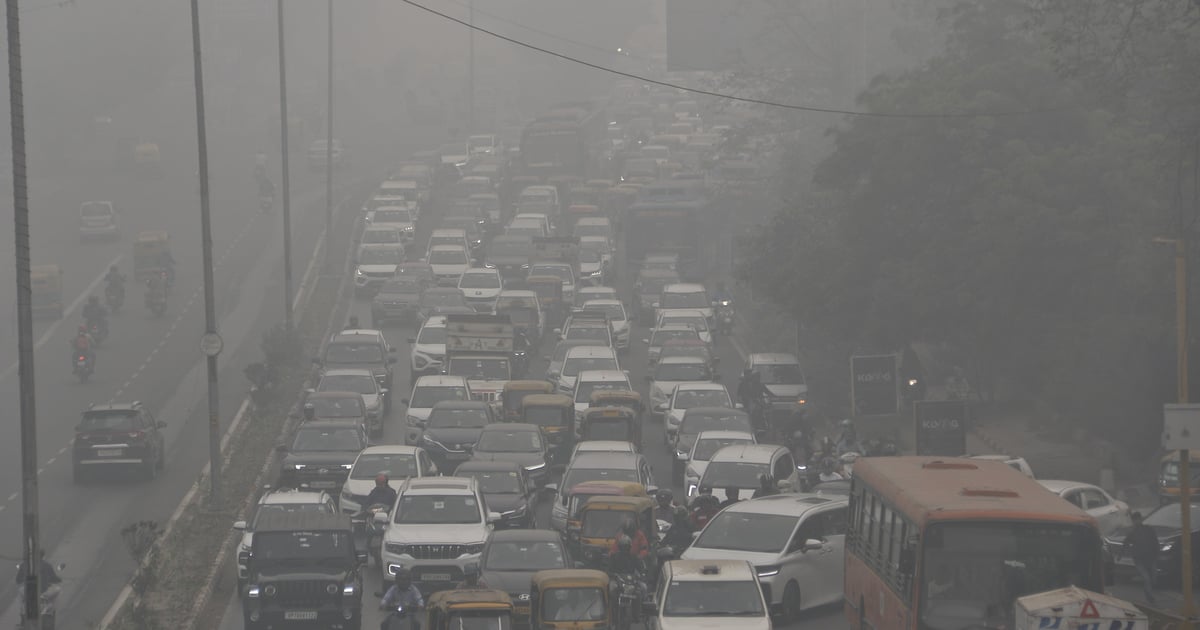
Residents, particularly the young, elderly and those with pre-existing health issues are left grappling with the severe impacts of this pollution on their lives and well-being.
Delhi’s air pollution is among the most hazardous in the world, often climbing to levels that exceed permissible limits by many times.
This air crisis is multifaceted in origin: the dense population, millions of vehicles, construction activities and a concentration of industries all add layers to the city’s air pollution problem.
The onset of winter exacerbates the situation further, as cooler temperatures create a lid over the city, trapping pollutants close to the ground. As winter approaches, crop burning in neighbouring states like Punjab and Haryana adds yet another layer of pollutants, resulting in a thick, toxic smog that envelops Delhi. Despite numerous efforts to curb emissions and limit crop burning, this seasonal phenomenon recurs each year, amplifying the health risks for the city’s residents.
The implications of Delhi’s air quality are profound, affecting both physical and mental health.
Respiratory ailments such as asthma and bronchitis surge, and long-term exposure to these pollutants increase the risk of cardiovascular diseases and even cancer.
The distress is palpable across Delhi’s hospitals and clinics, where respiratory ailments escalate during peak pollution periods.
Vulnerable populations, especially children and the elderly bear the brunt of these health impacts. Parents watch helplessly as children develop chronic coughs, while older residents endure the worsening of existing conditions. For Delhi’s residents, stepping outside often feels like a risk to their health, as protective measures like masks and air purifiers become routine but insufficient defences.

Join The Discussion